How Long Does a Typical Acupuncture Session Take Compared to Reflexology?
If you’re exploring non-medication approaches to manage stress, pain, or simply to boost your wellness, you might be curious about how much time you’ll need to set aside for different therapies. Acupuncture and reflexology are two popular holistic health options that many people try alongside conventional medicine. But how long does a typical acupuncture session take compared to a reflexology appointment? And how do these time commitments impact your wellness routine?

Quick note: If you prefer to listen to this article instead of reading, just click the Listen to this article feature at the top of the page.
Understanding Acupuncture and Reflexology in Holistic Health
Before we dig into the timing, let’s briefly explain what these therapies involve and how they fit into wellness business offerings today.
- Acupuncture involves inserting very thin needles into specific points on the body to stimulate energy flow and encourage natural healing.
- Reflexology involves applying pressure with the thumb and fingers to specific points on the feet, hands, or ears that correspond to other parts of the body.
Both are often offered as standalone sessions in clinics but have also become popular as add-ons in spas and wellness centers. Their appeal lies in providing a non-medication approach that complements conventional healthcare, especially for stress reduction and pain management.
What Happens in a First Acupuncture Appointment?
Many people are curious (and a little nervous!) about what exactly an acupuncture session feels like. Think of it like starting a new book: the first session is the introduction where the therapist gets a feel for your story and needs, so the rest of the "chapters" can be personalized.
Here’s a simple breakdown:
- Consultation: The acupuncturist asks about your health history, current symptoms, and wellness goals. This usually takes about 10-20 minutes.
- Needle placement: You lie down or sit comfortably while thin needles are inserted at specific points. The needles aren’t painful—more like a tiny pinch or a mild tingling.
- Relaxation time: You rest while needles remain in place, typically 20-30 minutes. This quiet time is when your body’s healing response activates.
- Final steps: Needles are removed gently, and the acupuncturist may offer recommendations for follow-up sessions or lifestyle tips.
Altogether, a first acupuncture appointment can take about 45 to 60 minutes. Follow-up sessions often run a bit shorter—closer to 30 to 45 minutes—since less time is spent on the intake.
What About Reflexology Session Time?
Reflexology sessions tend to be a bit more straightforward, especially because they don’t involve needles or complex diagnostics. It’s like sitting down with a favorite audiobook: you can tune out and relax while the reflexologist works through specific pressure points.
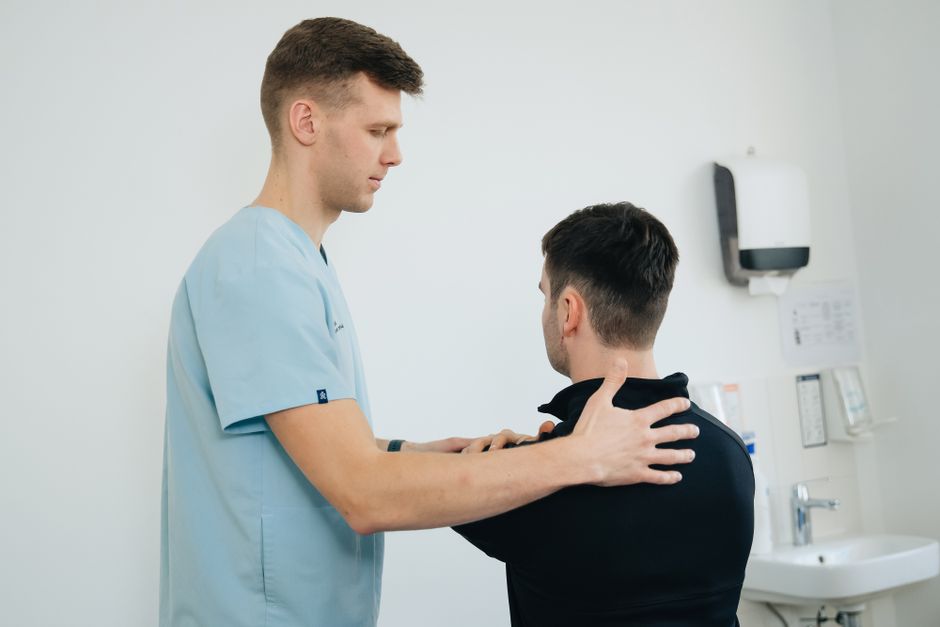
Here’s a typical reflexology appointment structure:
- Brief consultation: A quick chat about any pain, tension, or health concerns you have, usually under 5-10 minutes.
- Reflexology treatment: The practitioner uses hands to apply pressure on reflex points, often on the feet, for about 30 to 45 minutes.
- Post-treatment tips: You might hear simple advice on hydration or self-care at home, wrapping up the session within 40 to 60 minutes total.
Reflexology sessions generally last between 30 to 60 minutes depending on whether it’s a focused treatment or a full session intended to cover many reflex points.
Putting the Timing Side-By-Side
To make it easy to compare, here’s a simplified table highlighting the typical time commitments:
Therapy Initial Session Follow-up Session Typical Session Length Range Acupuncture 45–60 minutes (includes consultation) 30–45 minutes 30 to 60 minutes Reflexology 40–60 minutes (brief consultation + treatment) 30–45 minutes (mainly treatment) 30 to 60 minutesTime Commitment and Your Wellness Routine
How you fit these therapies into your schedule really depends on your goals and how your wellness business structures sessions. Some spas and wellness centers offer reflexology or acupuncture as an add-on to massages or facials, squeezing 15-20 minute mini-sessions into your appointment. This approach can be tempting, but it might not deliver the full relaxation or therapeutic effect compared to a dedicated session.
Ever notice how think of it like tasting a dish versus having the full meal: both have value, but sometimes you need the whole experience to truly benefit.
On the other hand, dedicated standalone sessions allow you to fully immerse in the therapy, giving your body and mind the time to respond without distraction.
Holistic Health Without Rejecting Modern Medicine
It’s important to remember both acupuncture and reflexology are typically used as complementary therapies—not replacements for medical treatment. This balanced approach is appreciated by many who want to expand their health toolkit beyond pills or surgeries but still trust scientific medicine.
You might visit your doctor for diagnosis and medication https://www.bbntimes.com/science/modern-health-trends-see-wellness-businesses-shift-towards-these-complementary-therapies while using acupuncture to alleviate chronic pain flare-ups or reflexology to reduce stress on tough days. The time you commit to each can influence how well you integrate these therapies into your lifestyle without feeling overwhelmed.
What to Expect When Booking Your Session
When you make an appointment for acupuncture or reflexology, ask the wellness center about:
- Exact session length and what is included
- Whether it’s a standalone or add-on treatment
- Practitioner credentials and experience
- Cancellation and booking policies
- Preferences related to Google Analytics cookie consent (if booking online), which sometimes affects how web interactions with the wellness website are tracked and personalized
Knowing these details ahead of time helps you mentally prepare and carve out the right amount of time—whether it’s for a quick stress relief reflexology break or a thorough acupuncture visit aimed at longer-term pain management.
Final Thoughts
Both acupuncture and reflexology sessions typically last between 30 and 60 minutes, with acupuncture initial appointments usually on the longer side because of the detailed consultation. Reflexology’s slightly simpler setup can make it feel a bit quicker, but the full benefits come from dedicated time spent in the session, not just the number of minutes.
When exploring holistic health options without turning away from modern medicine, consider your personal schedule and wellness priorities. Whether you opt for standalone sessions or quick add-ons, these therapies provide valuable, non-medication tools to manage stress and pain.
Remember, every wellness journey is unique—listen to your body and choose what fits your life best.