Is Trace THC Really Enough to Cause Problems?
If you’ve looked into CBD products, especially gummies or oils labeled as “full spectrum,” you’ve probably encountered warnings about trace THC and how it might pose a risk — whether for drug tests, athletic bans, or even your mental health and sleep. But how much of a problem is trace THC, really? Can it really https://bizzmarkblog.com/what-should-i-email-my-esports-org-about-cbd/ cause issues such as ending careers, or are these fears mostly overblown marketing? Let’s break down the facts, the science, and what you need to know before you buy or consume your next CBD product.
CBD Basics and THC Distinctions
First, let's clarify the two main cannabinoids at play here: CBD (cannabidiol) and THC (tetrahydrocannabinol). Both come from the hemp plant but have very distinct effects and legal statuses.
- CBD is non-intoxicating. It’s typically sought after for potential benefits like anxiety relief, sleep support, and inflammation reduction.
- THC is psychoactive, responsible for the “high” in marijuana. It can impair cognition, reaction times, and mood in some individuals.
- Trace THC refers to THC levels found in many hemp-derived CBD products that legally contain less than 0.3% THC on a dry weight basis.
Products labeled as “ full spectrum” CBD extract naturally include a mix of cannabinoids, including trace amounts of THC, while “broad spectrum” and “CBD isolate” products are designed to have no detectable THC.
The 0.3% THC Threshold and Hemp Legality
Since the passage of the 2018 Farm Bill in the U.S., hemp is federally legal as long as it contains less than 0.3% THC. This figure isn't scientific magic but rather a policy compromise meant to differentiate hemp from marijuana.
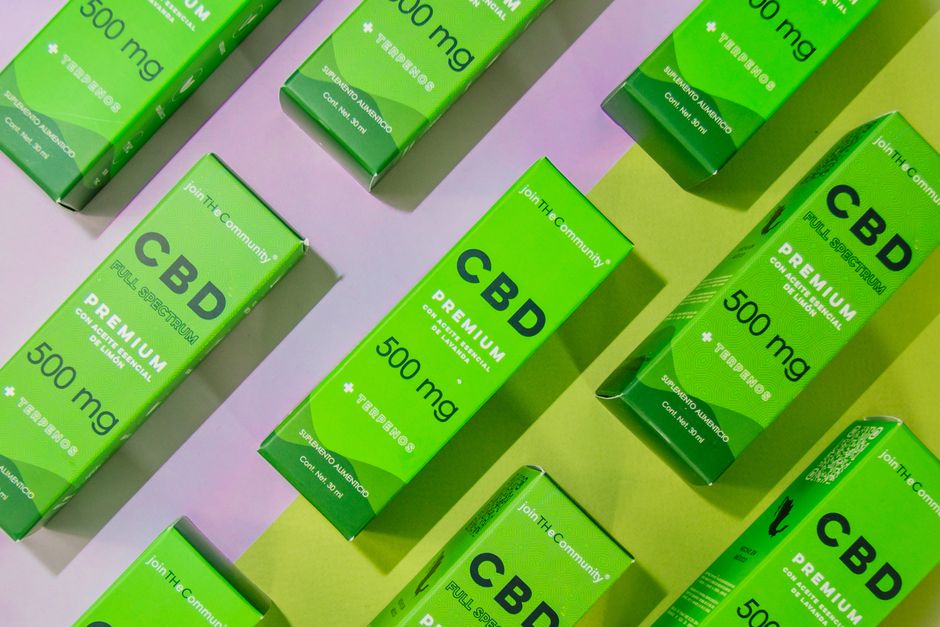
The FDA monitors claims and labeling but hasn’t yet established broad regulatory consistency for CBD products, which creates some gray areas. Companies like Joy Organics have positioned themselves as trustworthy brands by providing third-party batch lab reports, showing that their gummies or tinctures have “non-detectable THC” or well below the 0.3% limit.
Why Does This Matter?
Reaching the legal cutoff of 0.3% THC means your product might have enough THC to produce a positive urine drug test result or noticeable psychoactive effects if consumed in high doses. However, most hemp-derived products contain far less THC than the limit. Still, a “trace” amount as measured in lab tests can add up depending on serving size, frequency, and individual metabolism.
Trace THC Ended Careers: Myth or Reality?
The esports and athletic communities often debate the risk of “trace THC” in CBD leading to failed drug tests. The World Anti-Doping Agency (WADA) remains strict: any detectable THC in doping tests is grounds for penalties. This has caught many athletes off guard, especially those who trusted “hemp-derived” CBD products.
“Consuming full spectrum hemp products with trace THC carries a measurable risk for athletes subjected to doping controls.” — WADA guidelinesReal-world examples include:
- Professional players suspended or penalized after ingesting CBD gummies that contained non-zero THC.
- Workers facing workplace drug test failures despite using hemp products labeled as legal.
In these cases, “trace THC ended careers” is not just hype. However, the risk is dose-dependent and tied to the product type, potency, and consumption frequency.
Full Spectrum Risk Versus Non-Detectable THC
Many brands emphasize their “broad spectrum” or “THC free” status, but labels can be misleading. The term “full spectrum” indicates the presence of all cannabinoids, including THC — albeit usually in small quantities.
- Full spectrum = contains THC below 0.3%, but that THC can still compound over multiple servings.
- Broad spectrum = THC removed or undetectable, but other cannabinoids remain.
- Isolate = nearly pure CBD, no THC or other cannabinoids.
Always check the lab reports (Certificate of Analysis, COA) to confirm mg-per-serving THC levels. This is the only reliable way to determine your real exposure, since product labels and marketing hype rarely disclose exact milligrams.
Evidence Strength: Anxiety vs Sleep vs Performance
People often turn to CBD and hemp for three key reasons — anxiety relief, better sleep, and enhanced performance (either cognitive or physical). What does the science say about THC’s trace effects in these areas?
Use Case Evidence for CBD Alone Impact of Trace THC Research Notes Anxiety Moderate evidence, mainly from small human trials; CBD appears to reduce anxiety symptoms in some contexts. Trace THC can sometimes exacerbate anxiety in sensitive individuals; low-dose THC may have relaxing effects but risks paranoia at higher levels. Most studies use purified CBD at much higher doses than found in gummies. Sleep Preliminary data suggests CBD may improve sleep latency and duration; results mixed. THC is sedative and can improve sleep but may impair next-day alertness; trace amounts unlikely to have strong impact. Research often uses grams of isolated cannabinoids, far above daily doses in supplements. Performance (Cognitive/Physical) Limited evidence for cognitive enhancement; may reduce inflammation. THC impairs coordination and reaction time; trace amounts unlikely to seriously hamper unless accumulated over time. Athletes advised to avoid THC to prevent doping violations.Dosing Mismatch: Studies vs CBD Gummies
This is where a lot of confusion happens. Many CBD studies use oral doses of 300 mg, 600 mg, or even higher — think milligrams per kilogram of body weight — while most over-the-counter gummies contain between 10 mg to 25 mg of CBD per serving.
Similarly, trace THC in these gummies is often less than 0.03 mg per serving — barely measurable. Yet, repeated daily use can lead to THC buildup in fat tissues, resulting in positive drug tests or cumulative psychoactivity in rare cases.
For example, Joy Organics offers broad spectrum gummies with “non-detectable THC” reported in their batch lab results. This minimizes risk but doesn't zero it out entirely due to testing sensitivity limits.
What This Means for You
- Beware of products advertising “full spectrum” without clear batch-specific lab data.
- Consider your personal tolerance and drug test requirements before consuming.
- Lower-dose products with non-detectable THC are safer options for athletes and safety-conscious users.
- Don’t expect clinical trial effects from standard gummies, given the lower dosing mismatch.
Closing Thoughts: Should You Worry About Trace THC?
Trace THC is legally tolerated — yes. But it can pose real risks depending on who you are and what you want:
- Athletes: Be very careful. WADA prohibits any THC, and trace amounts can trigger positive tests that end or ruin careers.
- Workers in sensitive roles: Random drug screens may detect trace THC, so choose your products wisely.
- Health seekers: Trace THC in full spectrum products is unlikely to cause serious side effects at typical doses but remain mindful if you have anxiety or sensitivity.
At the end of the day, transparency through third-party lab results is your best defense. Check for products backed by real data — like Joy Organics’ published COAs — and always weigh the potential benefits against the risks of trace THC accumulation.
Understanding the nuances between “full spectrum risk” and https://smoothdecorator.com/why-does-cbd-hit-some-people-and-do-nothing-for-others/ “non-detectable THC” can save you from unexpected problems, whether legal, occupational, or health-related.
Stay informed. Demand data. And don’t let trace levels end your career or peace of mind.
Written by a former esports team manager turned health-science editor who’s reviewed hundreds of CBD products and stays skeptical until the batch lab report checks out.