What Should Grassroots Clubs Change to Reduce Chronic Pain Later in Life?
Having spent over a decade in and around the gritty world of Scottish lower-league football—from the changing rooms to the rehab bays—I’ve seen firsthand the culture that surrounds injury and pain at grassroots level. When it comes to reducing chronic pain and long-term joint issues like osteoarthritis, grassroots clubs in the UK have a massive role to play. Yet, certain entrenched attitudes and practices do more harm than good.
In this post, I’ll unpack how football culture and stigma around reporting pain contribute to persistent problems, explain the underlying mechanisms of long-term pain, and highlight practical changes grassroots clubs can make to prioritise injury prevention culture, implement effective warm-ups and strengthening, and develop robust player welfare policies. I’ll also reference useful external guidance such as the UK Anti-Doping (UKAD) website and explore how emerging pathways like medical cannabis can have a place in managing chronic pain properly, away from the sidelines of stigma.
Football Culture & The Stigma Around Reporting Pain
It’s no secret that football culture—particularly at grassroots levels—is built on grit, resilience, and a certain ‘tough it out’ mentality. While admirable in spirit, this mindset often discourages players from reporting pain early, leading to a cycle of worsening injury and chronic issues.
- “Playing injured” as a badge of honour: Players, coaches, and even fans often praise those who keep going despite pain, masking the reality that ignoring symptoms can worsen damage.
- Fear of being dropped: Players worry that admitting pain means less playtime or losing their spot, which fuels underreporting.
- Coaches sometimes punish honest reporting: From subtle sidelining to outright criticism, some coaches lack understanding or empathy about injury, unintentionally reinforcing silence.
This culture directly clashes with fostering a safe environment where players prioritise health. For grassroots clubs hoping to reduce long-term chronic pain in their players, changing this narrative is foundational.
Why is Early Reporting So Crucial?
Many chronic conditions—like osteoarthritis or persistent knee pain—are often rooted in an initial injury that never healed quite right. Without early intervention, the tissue damage sets off a cascade that over years leads to joint degeneration and persistent pain.
So, preventing chronic pain starts with encouraging players to speak up the moment something feels “off.” That’s where a solid player welfare policy is key.
Long-Term Outcomes: Osteoarthritis and Persistent Pain
The most common long-term problems following football injuries are:
- Osteoarthritis (OA): This is joint wear and tear, often accelerated after ligament tears or cartilage damage.
- Persistent pain syndromes: Pain that lasts weeks, months, or even years beyond the original injury.
How do these happen? Let’s dig into the main mechanisms.
Imperfect Healing
After an injury—say a torn meniscus or ligament sprain—the body starts repairing. But in football, players often return to action before full healing or rehab is done. This can lead to incomplete tissue repair, scar tissue formation, and altered joint mechanics that set the stage for future breakdown.
Cumulative Loading
Grassroots players often train and play multiple times a week, sometimes on subpar surfaces and with limited recovery. Every session adds a little more load and microtrauma to joints. Over time, these small insults accumulate, pushing the joint toward early wear and chronic discomfort.
Central Sensitisation
Not all pain originates just from tissue damage. Sometimes the nervous system itself becomes more sensitive after repeated or prolonged injury—like a faulty alarm system that keeps sounding. This explains why some players report pain months after normal scans show no structural damage.
How Can Grassroots Clubs Shift Their Approach?
Reducing chronic pain isn’t a quick fix—there’s no magic “pop a pill and forget it” solution. It’s about establishing a culture and system that supports players from day one, using practical steps supported by evidence and experience.
1. Build a Strong Injury Prevention Culture
Changing player attitudes starts at the top. Club leaders, coaches, and physios should actively promote an environment where talking about pain is normal and encouraged. Some concrete actions:
- Education sessions: Run regular talks about why early reporting matters, the risks of ignoring pain, and how pain doesn’t equal weakness.
- Lead by example: Coaches and senior players admitting their own struggles normalises the conversation.
- Clear reporting pathways: Have a straightforward, confidential method for players to report pain or injury without fear of losing their place.
2. Implement Evidence-Based Warm-Ups and Strengthening Protocols
Warm-ups and strengthening routines don’t just prep muscles—they reduce injury risk and protect joints long-term.
The UK Anti-Doping (UKAD) website highlights several safe and approved exercise protocols that focus on balance, proprioception, and muscle activation. Programs like FIFA 11+ have been shown to reduce lower limb injuries by up to 30-50% in amateur players. These aren’t fancy gym sessions but simple, structured drills that clubs can adopt.
- Dynamic warm-ups: Targeting muscle activation, mobility, and neuromuscular control reduces the risk of awkward movements that cause injuries.
- Progressive strengthening: Focusing on muscles supporting vulnerable joints (knees, ankles, hips) improves load distribution and joint stability.
- Consistency: Routines should be realistic for amateur environments—10-15 minutes at every training session.
3. Establish a Robust Player Welfare Policy
This might be the most important formal step a grassroots club can take.
A good player welfare policy covers:
- Injury reporting: Clear protocol for players to report pain or injuries confidentially.
- Access to professional assessment: Fast referral to physiotherapists or doctors who understand sports injuries.
- Graded rehabilitation plans: Tailored rehab programs focusing on active rehab with graded exercise and strengthening rather than rest-only approaches.
- Education on pain management: Teaching players that while some discomfort during rehab is normal, persistent or worsening pain must be reviewed.
- Support for mental health: Recognising that injury and chronic pain affect mental wellbeing. Encourage open dialogue.
Active Rehab: The Only Way Forward
Gone are the days when injured players were told to “just rest it” for weeks on end. We now know that prolonged rest often leads to muscle wasting, stiffness, and delayed recovery.
Active rehab means structured, supervised exercises progressing at a realistic pace to restore strength, movement, and confidence.
- Graded exercise: Starting with simple movement without pain, then increasing load gradually.
- Strengthening: Focused on key muscle groups that stabilise joints and absorb impact.
- Functional drills: Mimicking football-specific movements to prepare players to return safely.
Patience is a virtue: players and coaches alike must understand that rehab is a marathon, not a sprint.
Can Medical Cannabis Be Part of the Pathway?
Chronic pain is notoriously tricky to manage. Standard painkillers have limitations and long-term side effects, while opioids bring their own risks.
Private clinics in the UK are increasingly offering access to medical cannabis for certain chronic pain syndromes, following strict clinical guidelines and patient screenings.
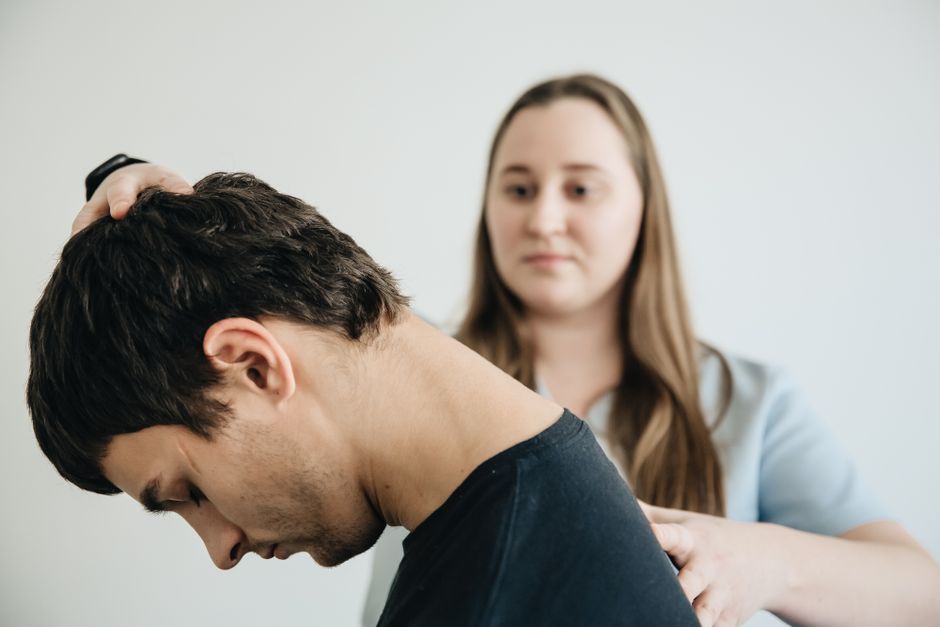
While not everyone is a candidate, medical cannabis can:
- Reduce pain intensity
- Improve sleep quality
- Decrease reliance on stronger painkillers
It’s important to stress this is part of a comprehensive rehab and management plan, not a standalone “fix.”
Grassroots clubs should be aware of this emerging pathway, particularly if they have players struggling with persistent pain after conventional treatment. They can signpost players to appropriate healthcare providers specialising in sports medicine and chronic pain.

Summary: What Grassroots Clubs Should Change
Key Area Recommended Changes Football Culture & Stigma Encourage open discussion of pain; educate on risks of ignoring symptoms; remove fear of reporting. Injury Prevention Culture Lead by example; run regular education; normalize injury management as part of the game. Warm-Ups and Strengthening Implement evidence-based warm-up protocols (e.g. FIFA 11+); focus on muscle activation, balance, and core strength. Player Welfare Policy Clear injury reporting and referral pathways; graded active rehab plans; mental health support for injured players. Long-Term Pain Management Promote active rehab over rest-only; consider emerging options like medical cannabis within clinical guidance.Final Thoughts
Reducing chronic pain in grassroots football isn’t about blaming players or coaches for a tough https://www.pieandbovril.com/general/from-the-terraces-to-the-physio-room-how-football-deals-with-chronic-pain sport—it’s about recognising how culture and practice today shape outcomes years down the line. By shifting how we talk about pain, making injury prevention routine, and supporting active rehab, grassroots clubs can preserve player welfare and keep the game fun, safe, and sustainable for everyone.
If you’re a coach, player, or club official, ask yourself: What changed in the last six weeks to better protect this player? If you can’t answer it clearly, there’s room to improve.
For more detailed guidelines on safe substance use and anti-doping protocols, check the official UKAD website. And if any players struggle with chronic pain, consider consulting specialists about comprehensive rehab and the cautious but potentially helpful role of medical cannabis.
Let’s work towards grassroots football where injury is managed wisely, players feel safe reporting pain, and chronic suffering doesn’t end the love for the game prematurely.