Why Do I Wake Up a Lot During the Second Half of Sleep After Drinking?
If you’re a DJ or touring artist, you’ve probably experienced that frustrating pattern: you crash after a night out, only to wake repeatedly during the second half of your sleep. You blame the late-night flight, the noisy hotel room, or your hyped-up brain. But the root cause often comes down to a complex interplay of alcohol rebound wakeups, circadian rhythm disruptions, and the unique challenges of a DJ’s itinerant lifestyle.
In this article, we'll unpack why alcohol impairs your sleep architecture, why the second half of your rest is so vulnerable, and what your routine, equipment, and travel patterns have to do with it. We’ll also touch on practical insights from shift work research—because spinning the decks is essentially shift work—and reveal how your USB sticks, flight case, and routing decisions might indirectly influence your sleep quality.
Understanding Sleep Fragmentation and Restless Sleep After Drinking
Let’s start with the basics: sleep fragmentation is the breaking up of sleep into multiple segments, marked by frequent awakenings. After a night of drinking, many people experience this more intensely. While alcohol can initially induce sleepiness, it disrupts your sleep later on, particularly the second half of your sleep cycle.
What Happens to Sleep Architecture After Alcohol?
- First half: Alcohol acts as a sedative initially, increasing deep slow-wave sleep (SWS) and helping you fall asleep faster.
- Second half: As your body metabolizes the alcohol, you experience a "rebound effect" causing increased arousals and wakeups, particularly during the rapid eye movement (REM) sleep stage.
This is best sunglasses for night shift why even if you felt you passed out immediately after a set with a drink or two, the latter hours of your sleep are often restless. It’s not just you—science confirms this pattern, which is ironically when your brain would normally be getting the most restorative REM cycles crucial for memory consolidation and emotional regulation.
Circadian Rhythms, Light Cues and Their Role in Sleep Stability
A big factor DJ schedules complicate is your circadian rhythm: the roughly 24-hour internal clock regulating sleep/wake cycles tied closely to natural light exposure.
How Circadian Cues Get Disrupted on Tour
- Night gigs & late wake times: Many DJs don’t get to bed until dawn or even later, a stark deviation from natural light/dark cycles.
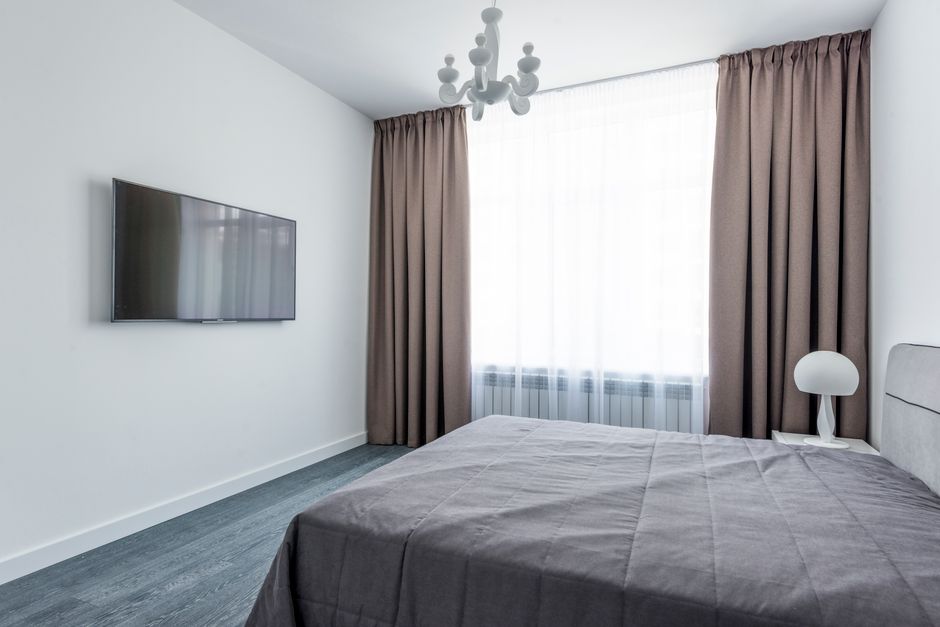
- Hotel blackout curtains: Surprisingly variable in quality. I keep a personal ledger relating room numbers and curtain opacity. Inadequate curtains can let in morning light too early, prematurely ending your rest.
- Blue light from screens: The mobile device lighting on those flight cases or the laptop in the booth can further suppress melatonin release.
The combination of alcohol metabolism increasing wakefulness in the late sleep hours and circadian misalignment means your brain’s "lights out" signal is fuzzy, increasing fragmentation.
Shift Work Research Applied to DJs: Why Your Schedule May Be Working Against You
Your DJ lifestyle is shift work by another name, with irregular hours, overnight activity, and irregular sleep. The Occupational Health field has extensively studied shift work’s impact on sleep and performance—here’s what’s relevant:
- Inconsistent schedules magnify the effects of alcohol's disruptive influence on sleep by limiting the body’s ability to anticipate and prepare for rest.
- ‘Schedule flipping’—awake nights followed by sleeping days—forces circadian misalignment, slowing recovery.
- Short sleep windows make the second-half rebound wakeups more disruptive because you likely don’t get enough total REM in the first place.
Further, just like shift workers often struggle to find time for restorative naps, touring DJs can’t always nap suiting their rhythm or hotel logistics.
The Impact of Time Zones and Routing Tradeoffs on Sleep Quality
Touring means crossing multiple time zones, a factor compounding sleep fragmentation after alcohol use. Here are a few common challenges:
- Jet lag: Your circadian clock lags behind local time, misaligning sleep drive with the environment.
- Routing decisions: Sometimes you pick itineraries—for example, a long haul with multiple legs—that maximize set times but increase layover durations and overall travel fatigue.
- Time zone direction: Flying east generally causes worse jet lag and sleep disturbance than westward travel.
These factors interplay with your drinking patterns—say, celebrating after a final show or winding down on the plane—to increase the likelihood of waking after initially falling asleep.
DJ Workflow and Equipment: Why What’s in Your Flight Case Could Affect Your Sleep Too
You might wonder, what do USB sticks or a flight case have to do with sleep quality? More than you think.
USB Sticks and Workflow Stress
Your USB sticks are the lifeblood of your set. Losing one, corrupting files, or having https://highstylife.com/festival-backstage-quiet-space-does-it-actually-help-artists-recover/ a last-minute setlist change can spike stress levels minutes before performance. This pre-show anxiety can interact with your alcohol consumption—sometimes used to calm nerves—and impact sleep quality by stimulating the nervous system survival responses.
Flight Case and Touring Gear Setups
How you pack and set your flight case impacts your physical comfort and pre/post gig routines:
- Ergonomic inefficiencies can leave you sore, adding to restless sleep later.
- Rigging time: Rushing to pack or unpack an overstuffed flight case limits the time available for wind-down routines that stabilize sleep.
- Flight case damage or lost components: Increases stress, amplifies sleep fragmentation especially after alcohol rebounds.
Strategies to Minimize Alcohol Rebound Wakeups on Tour
Based on shift work research, circadian principles, and my 9 years of backstage experience, here are concrete tips:
- Time drinking carefully: Avoid alcohol within 3-4 hours of your intended bedtime to minimize rebound sleep disruptions.
- Prioritize blackout curtains: Carry your own eye mask if hotel curtains are unreliable. Record curtain performance as part of your pre-sleep checklist.
- Control light exposure: Use blue light blocking glasses post-gig to support melatonin.
- Maintain consistent sleep-wake times: Even when on the road, try to align sleep times as closely as possible to a regular pattern to preserve circadian alignment.
- Optimize flight case packing: Organize for rapid setup/breakdown to free time for relaxation and wind-down before bed.
- Plan routing with rest in mind: Whenever possible, favor layovers and flight times that reduce jet lag potential and allow for adequate sleep adjust phases.
Conclusion
Waking up a lot during the second half of sleep after drinking isn’t simply a matter of self-control or willpower. It’s a scientifically supported phenomenon rooted in how alcohol disrupts sleep architecture combined with the lifestyle realities of DJs: irregular schedules, circadian misalignment, and travel fatigue. Your flight case setup, the stress around your USB sticks, and tricky routing decisions all feed into an ecosystem that determines whether your 6 hours of shut-eye are restful or restless.
By marrying insights from shift work research and paying attention to the details—from blackout curtains to drink timing—you can reclaim better rest, even on your busiest and most complex tours. Because a well-rested DJ is a better DJ, from the first track to the last sunrise.