Why Does My Timing Get Worse on Tour by Week Two?
If you’re a touring musician, the first week on the road often feels like a whirlwind of adrenaline and excitement. But by the second week, many artists notice their timing slipping, their performances feeling a little off beat, and that much-vaunted “stage groove” somehow evaporating. Why does this happen? And more importantly, what can you do about it?
Having spent nearly a decade embedded with touring acts—helping with load-ins, watching crews work, and chatting with musicians about their aches and pains—I can confidently say that timing issues on tour are far from just a mental or emotional problem. There’s a complex web of physical, logistical, and biological factors at play. Let’s break down why your timing might be suffering by week two on tour and what tools and practices can help maintain performance consistency.
Load-in Injuries and Safe Lifting: The Hidden Culprits
One of the biggest overlooked contributors to fatigue and timing issues on tour is the strain musicians place on themselves during load-ins. Moving heavy gear, often in cramped or poorly lit spaces, can cause low-level injuries that build up over days. These injuries affect not only your body but your timing and coordination on stage.
Common Injuries
- Lower back pain: lifting heavy amplifiers or cases improperly twists and compresses the spine.
- Shoulder strain: hoisting instruments like guitar amps or drum hardware incorrectly can overwork the rotator cuff.
- Wrist and hand tightness: gripping gear for extended periods without breaks creates stiffness and inflammation.
All these aches build a baseline fatigue that seeps into how precisely you can execute timing-sensitive movements on stage.
Tips for Safer Load-ins
- Use your legs, not your back, when lifting heavy loads. Squat down and keep your spine neutral.
- If possible, coordinate with crew members to share heavy or awkward items.
- Keep kinesiology tape in your touring first aid kit. Applying it strategically on strained muscles can reduce pain and encourage better posture during load-ins and performances.
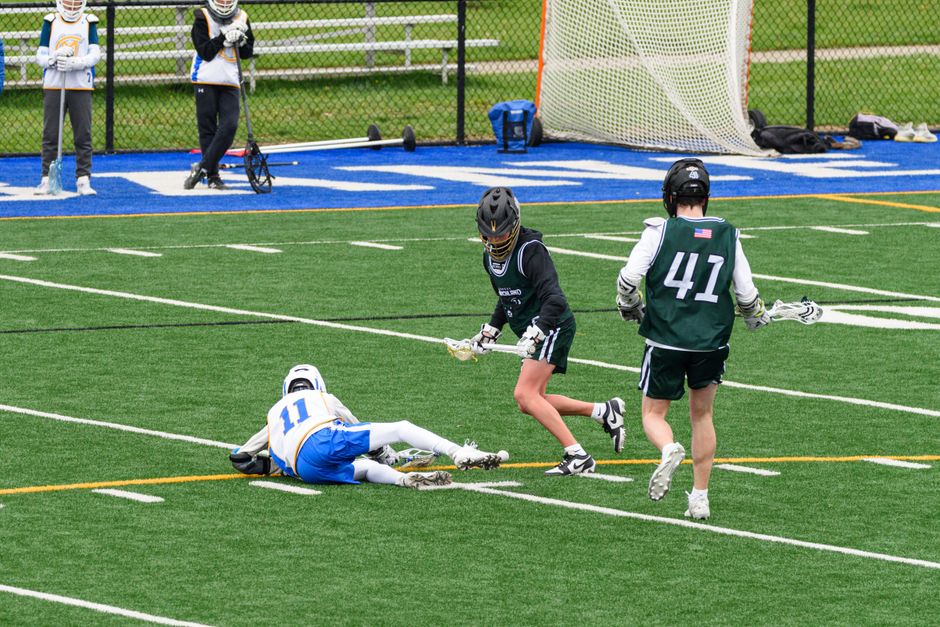
- Use a lacrosse ball to self-massage tight muscles post-load-in. Rolling your shoulders, back, and calves releases tight knots which improve circulation and mobility.
Ignoring load-in injuries isn’t macho—it’s a quick route to cumulative damage that compromises your playing.
Instrument-Specific Repetitive Strain: The Silent Time-Stealer
Every instrument poses unique repetitive strain challenges that can impact your timing over the length of a tour.
- Guitarists and bassists: frequent fretting hand movements can lead to tendonitis or carpal tunnel symptoms.
- Drummers: constant wrist and forearm activity can cause muscle fatigue, affecting stick speed and precision.
- Keyboardists: repetitive finger strikes combined with prolonged sitting can cause nerve compression and tension headaches.
As muscles tighten and inflammation sets in, the fine motor control necessary for tight timing degrades, making even simple rhythmic patterns feel heavy or sluggish.
Strategies to Mitigate Repetitive Strain
- Warm up thoroughly with stretching and mobility exercises focused on your instrument’s dominant muscle groups.
- Take frequent micro-breaks during rehearsals and soundchecks to shake out and stretch your hands and arms.
- Apply kinesiology tape on areas prone to strain to support muscles and maintain circulation.
- After gigs, use a lacrosse ball for self-massage on dense, tight muscles like forearms and shoulders.
This disciplined approach helps preserve the fluidity and crispness your timing depends on.
The Van: A Perfect Storm of Stiffness and Poor Circulation
Tour vans and buses are notorious for being small, cramped, and lacking proper lumbar support. After hours spent hunched over or twisted awkwardly, your body stiffens, circulation slows, and what should be nimble muscles become tight and slow to react.
Poor circulation and tight muscles directly affect the subtle timing required in live performance. They make fast, repetitive movements sleep debt on tour feel lethargic and can cause delays in your muscle response time.
Combatting Van Stiffness and Circulation Issues
- Stand and move regularly during travel breaks—even a few minutes helps stimulate blood flow.
- Use a lacrosse ball on your glutes, hamstrings, and calves while parked or back at the hotel room.
- Incorporate simple stretches inside the van, focusing on opening the chest and loosening the hips.
- Consider wearing compression socks on longer drives to improve your leg circulation.
Addressing van stiffness is not glamorous, but it’s crucial for maintaining pace and precision on stage.
Sleep Debt, Adrenaline Timing, and Performance Consistency
Anyone who claims touring is a nonstop “party” glosses over one of the harshest realities: sleep debt accumulates fast on the road, and it wrecks your timing.
What is Sleep Deficit Timing?
“Sleep deficit timing” refers to how a lack of consistent sleep degrades your internal clock—the neural mechanisms responsible for timing and tempo control. When you’re running on insufficient sleep, your cognitive processing slows, your reaction times lag, and your muscle memory becomes less reliable.
During the first days on tour, adrenaline often masks this fatigue, allowing you to push through. But by week two, the cumulative sleep debt interferes with:
- Timing perception
- Coordination
- Focus
- Overall performance consistency
Beat Fatigue on Tour
- Prioritize sleep hygiene—dark, cool, and quiet environments are your friend. If noise or light pollution is an issue, try high-quality earplugs (foam plugs are not enough) and eye masks.
- Consider natural supplements like those offered by Joy Organics, which provide CBD products that some touring musicians find helpful for relaxation and better sleep quality without the grogginess.
- Maintain a consistent sleep schedule as much as possible, even on long drives or days off.
- Nutritional hydration is often ignored; skipping water leads to dehydration-related fog that compounds fatigue and timing errors.
Summary: The Multifaceted Nature of Timing Decline on Tour
Factor Impact on Timing Mitigation Strategy Load-in injuries & unsafe lifting Muscle stiffness, reduced mobility, pain-induced distraction Safe lifting techniques, kinesiology tape, lacrosse ball massage Instrument-specific repetitive strain Decreased fine motor control, inflammation Warm-ups, breaks, kinesiology tape, lacrosse ball therapy Van travel stiffness & poor circulation Slower muscle response, tightness Regular movement, stretches, compression socks Sleep deficit timing & fatigue on tour Slowed cognitive and motor response, timing errors Sleep hygiene, hydration, Joy Organics natural supplementsFinal Thoughts
Getting your timing off on tour by week two is not a sign of failure or lack of talent—it’s often a predictable outcome of physical strain, fatigue, and biological stressors that accumulate quietly behind the scenes. Rather than pushing blindly through, acknowledge these factors and incorporate smart, science-backed strategies into your touring routine.
Use tools like kinesiology tape and lacrosse balls for physical maintenance, prioritize sleep hygiene and hydration, respect your body’s limits during load-in and van travel, and if you’re curious, explore natural aids like those from Joy Organics for better relaxation and recovery support.
Touring is manual labor masked as art—it deserves respect, planning, and thoughtful self-care. Your timing, your health, and your sanity will thank you.